






ShaShib Bangalore
Sha-Shib Bangalore Courses

The sky is no longer the limit - it is your workplace.

Turn Your Dream of Flying into a Professional Aviation Career

Start Your Journey to the Cockpit

img

DGCA-Approved Flying Training

img

Industry-Oriented Pilot Training

img

Experienced Flight Instructors

img

Modern Training Infrastructure

img

Flight & Ground School Training

img

Professional Aviation Environment

img

Part of the Sha-Shib Group

The Commercial Pilot Licence (CPL) Training program under the Sha-Shib Group is designed for aspiring aviators who dream of becoming professional airline pilots. Through structured ground school training, practical flying exposure, DGCA-focused curriculum, and industry-oriented mentorship, students are prepared to enter the rapidly expanding aviation industry confidently.

With aviation demand rising across India and globally, commercial pilots are among the most sought-after professionals in the aviation sector. At Sha-Shib Group, students receive the technical knowledge, flying exposure, discipline, and professional guidance required to build a successful flying career.

Whether your dream is to fly for domestic airlines, international carriers, charter operations, cargo services, or corporate aviation, your journey begins here.

Why Choose

Why Choose a Career as a Commercial Pilot?

A career as a commercial pilot is one of the most respected and rewarding professions in the aviation industry. Pilots are responsible for safely operating aircraft, managing flights, and ensuring passenger safety while navigating through dynamic aviation environments.

The global aviation industry continues to expand with:

  • Increasing airline fleets
  • Growing passenger traffic
  • New airport developments
  • Expanding domestic and international routes
  • Rising demand for trained pilots

India is among the fastest-growing aviation markets in the world, creating strong demand for qualified commercial pilots. Airlines are continuously expanding operations, resulting in exciting career opportunities for aspiring aviators.

A Commercial Pilot Licence opens opportunities in:

  • Commercial Airlines
  • Charter Aviation
  • Corporate Aviation
  • Cargo Operations
  • Flying Training Organisations
  • Government Aviation Operations
  • Aerial Survey & Special Aviation Services

What is a Commercial Pilot Licence (CPL)?

A Commercial Pilot Licence (CPL) is a professional licence issued by the Directorate General of Civil Aviation (DGCA), Government of India, which allows pilots to operate aircraft professionally and earn as a commercial pilot.

The CPL training program combines:

  • Ground School Training
  • Flight Training
  • Simulator Exposure
  • Navigation Training
  • Aviation Regulations
  • Technical Knowledge
  • Radio Telephony Preparation
  • Flying Skill Development

Students undergo extensive theoretical and practical training to develop the confidence, technical understanding, discipline, and decision-making abilities required in professional aviation.

Why Choose

About Sha-Shib Flying Academy (SFA)

Sha-Shib Flying Academy is one of the aviation training institutions under the Sha-Shib Group and is approved by the DGCA, Government of India under CAR 66.

Headquartered at Guna Airport, Madhya Pradesh, the academy focuses on providing quality pilot training aligned with aviation industry standards.

The training ecosystem is designed to help students:

  • Develop strong flying fundamentals
  • Gain confidence in cockpit operations
  • Understand aviation regulations
  • Build operational discipline
  • Prepare for professional airline careers

The academy emphasises both technical excellence and responsible aviation practices, preparing students to operate safely and professionally in real-world aviation environments.

Why Choose Sha-Shib Group for CPL Training?

img

Aviation Legacy & Experience

Sha-Shib Group has over three decades of experience in aviation education and training and is recognised as one of the largest aviation training groups in South Asia.

The group’s aviation ecosystem provides students with exposure to aviation-oriented learning environments, infrastructure, technical expertise, and professional mentorship.

img

Practical Flying Exposure

Pilot training is built around practical learning and real flying experience. Students undergo structured flying training focused on:

  • Aircraft Handling
  • Navigation
  • Take-Off & Landing Procedures
  • Instrument Flying
  • Cross-Country Flying
  • Night Flying
  • Emergency Handling Procedures
img

Experienced Faculty & Flight Instructors

Students learn under the guidance of experienced aviation professionals, instructors, and mentors who support both technical and professional development throughout the training journey.

img

DGCA-Oriented Training Structure

The CPL program is designed according to DGCA training requirements and aviation industry standards, helping students prepare systematically for:

  • DGCA Examinations
  • Flying Training Requirements
  • Radio Telephony Preparation
  • Aviation Procedures
  • Professional Flying Standards
img

Modern Aviation Training Environment

Students are trained in an aviation-focused ecosystem supported by:

  • Training Aircraft
  • Aviation Infrastructure
  • Practical Learning Systems
  • Industry-Oriented Academic Support
  • Technical Aviation Exposure

Sha-Shib Group also provides aviation exposure through its broader aviation ecosystem that includes aircraft, MRO exposure, and aviation training infrastructure.

CPL Training Structure

img

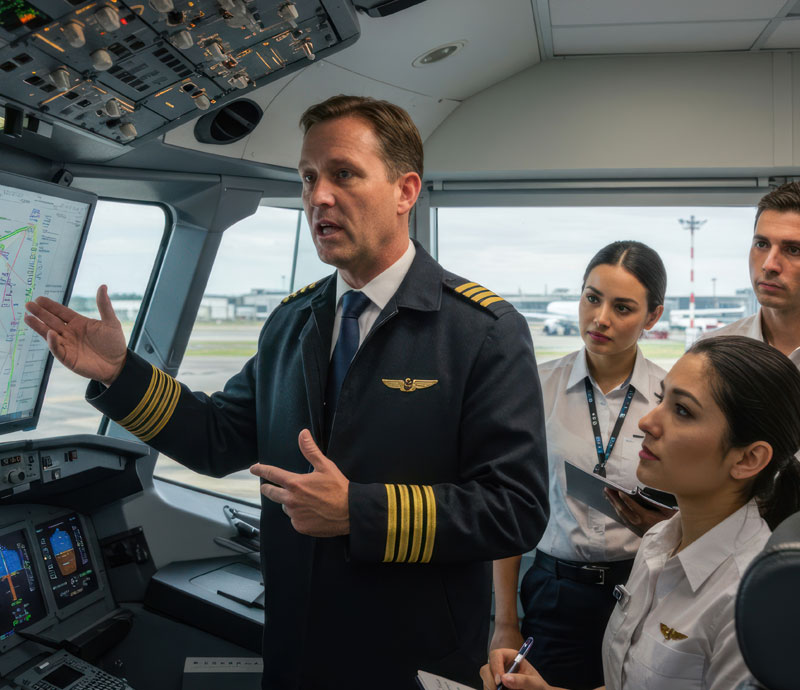
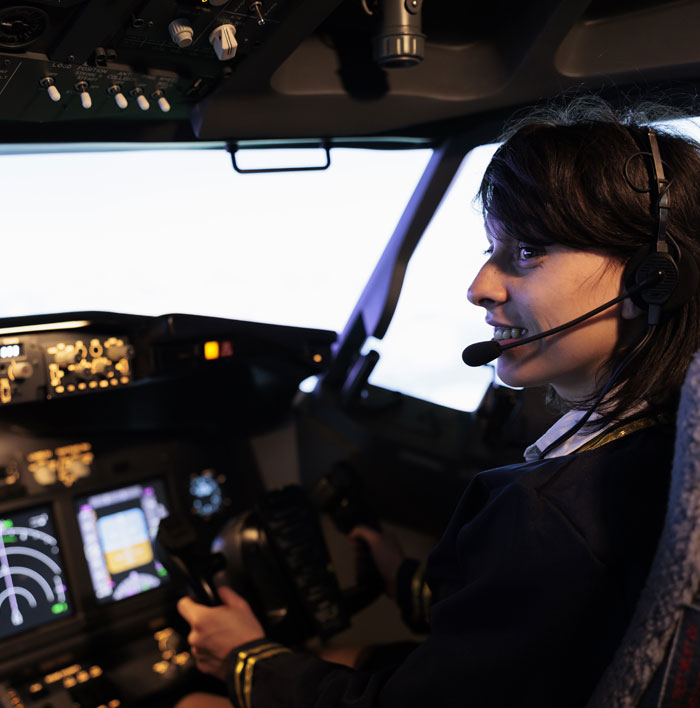
Ground School Training

Ground school provides theoretical knowledge essential for aviation operations and DGCA examinations.
Subjects Include:

  • Air Navigation
  • Aviation Meteorology
  • Air Regulations
  • Technical General
  • Technical Specific
  • Radio Telephony
  • Flight Planning
  • Aircraft Systems

Ground school develops the technical understanding required for safe and professional flying operations.
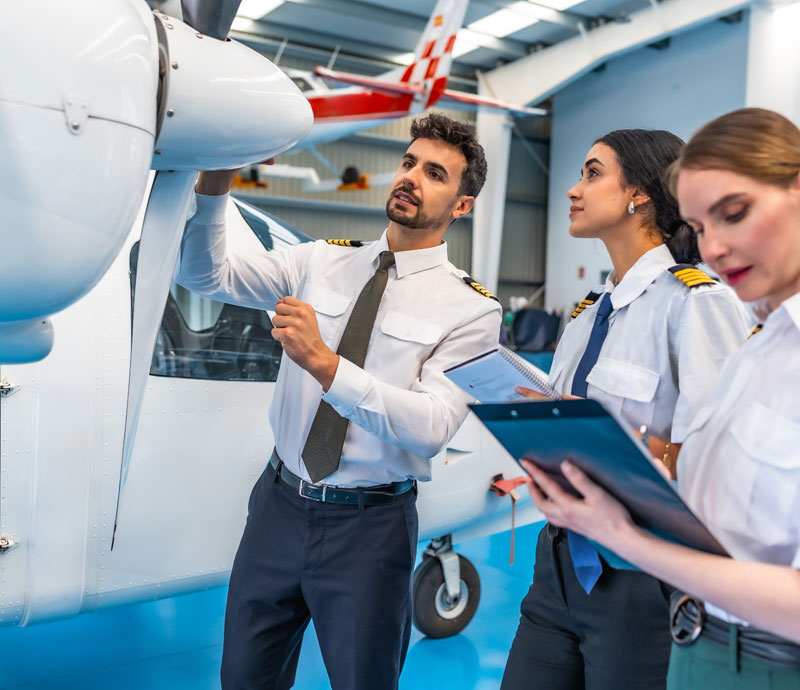
Flight Training

Students undergo practical flying training under instructor supervision.
Training includes:

  • Basic Flying Skills
  • Solo Flying
  • Cross-Country Flying
  • Instrument Flying
  • Night Flying
  • Emergency Procedures
  • Navigation Exercises
  • Flight Operations

DGCA CPL training generally requires completion of a minimum of 200 flying hours as per regulatory standards.

img

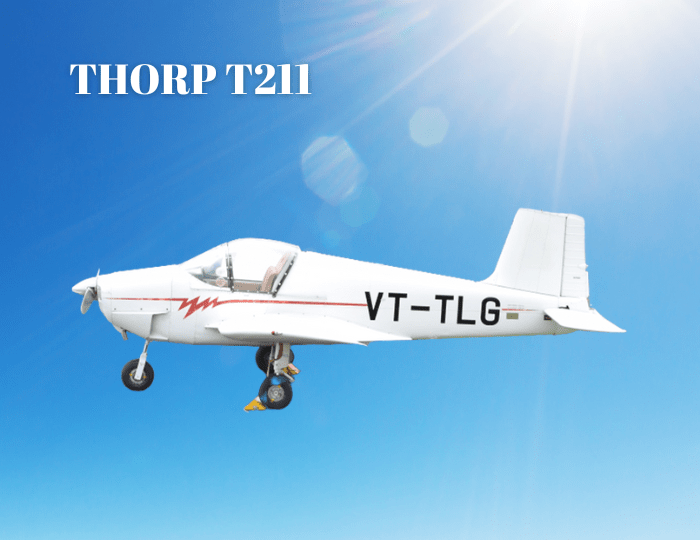
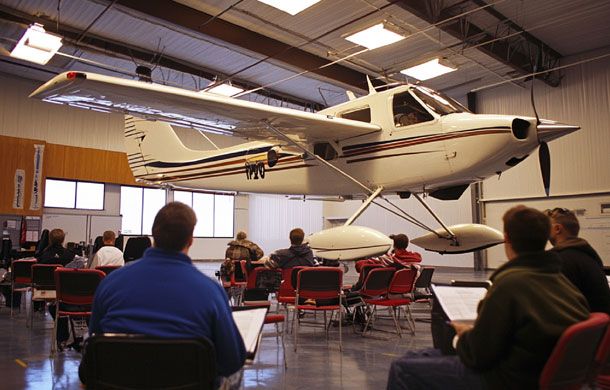
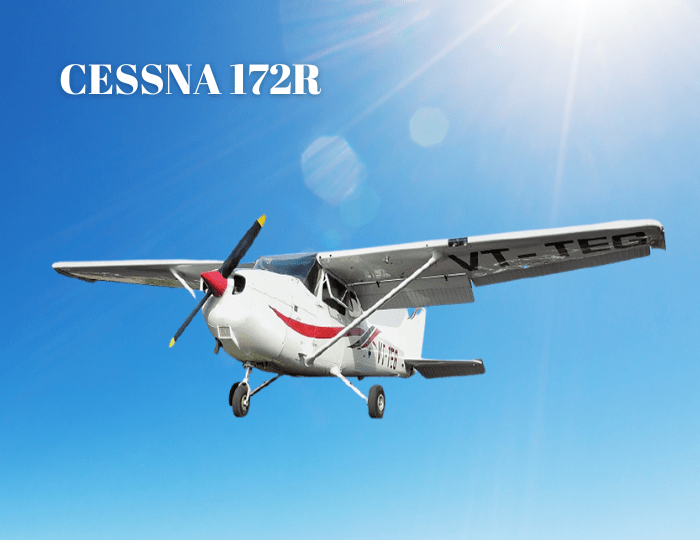
Our Live Aircraft Stationed at Guna Base

img
img

CPL Eligibility Criteria

CPL Eligibility Criteria :

  • Minimum Age: 17 years to begin training
  • 10+2 Qualification or Equivalent
  • Physics & Mathematics at 10+2 level
  • DGCA Medical Fitness Certification
  • English Language Proficiency

Students from Arts and Commerce backgrounds may also become eligible through approved pathways such as Physics and Mathematics, through recognised systems like NIOS, subject to prevailing DGCA regulations.

img
img

Duration of CPL Training

The duration of CPL training may vary depending on:

  • Flying Schedule
  • Weather Conditions
  • Aircraft Availability
  • Examination Progress
  • Flying Hour Completion

Typically, CPL training may range from approximately 12 to 24 months, depending on training progression and regulatory requirements.

Career Opportunities After CPL

img

After obtaining a Commercial Pilot Licence, students may pursue opportunities in:

  • Domestic Airlines
  • International Airlines
  • Charter Aviation
  • Cargo Operations
  • Corporate Flying
  • Flying Training Organisations
  • Aviation Support Operations

Career Roles Include:

  • First Officer
  • Co-Pilot
  • Charter Pilot
  • Corporate Pilot
  • Flight Instructor
  • Cargo Pilot
  • Aviation Operations Professional

As experience grows, pilots may progress toward senior airline and command positions.

Why Students Prefer Sha-Shib Group

img

Aviation-Focused Ecosystem

Students train in an environment dedicated to aviation education and professional development.

Student-Centric Guidance

From counselling to career preparation, students receive continuous mentorship throughout their journey.

Professional Development

Students are guided in:

  • Aviation Discipline
  • Communication Skills
  • Professional Conduct
  • Aviation Safety Awareness
  • Decision-Making Skills

Industry-Oriented Exposure

Students gain aviation-oriented exposure that helps them understand real-world aviation operations and professional expectations.

Learning Beyond Flying

At Sha-Shib Group, pilot training is not limited to flying hours alone.
Students also benefit from:

img
img

Aviation Seminars

Safety Awareness Sessions

Technical Workshops

Personality Development

Aviation Industry Interaction

Communication Skill Enhancement

Career Guidance Sessions

The focus is on developing confident, disciplined, and responsible aviation professionals

Student Journey at Sha-Shib Group

Step 1

Career Counselling & Admission

Students receive guidance regarding pilot training, eligibility, medical requirements, and aviation career pathways.

Step 2

Ground School Training

Students build strong theoretical knowledge in aviation subjects and DGCA syllabus areas.

Step 3

Flight Training

Students begin practical flying sessions under instructor supervision.

Step 4

Flying Skill Development

Students gradually progress toward solo flying, navigation exercises, and advanced flight training.

Step 5

DGCA Examinations & Flying Requirements

Students prepare for examinations, flying tests, and regulatory requirements.

Step 6

CPL Completion

Upon successful completion of training and requirements, students move toward professional aviation opportunities.

Frequently Asked Questions

A CPL is a professional licence issued by DGCA that allows individuals to work as commercial pilots.

DGCA CPL training generally requires a minimum of 200 flying hours.

Yes. Students can begin their pilot training journey after completing 10+2 and meeting eligibility requirements.

Yes. The aviation industry continues to expand, creating increasing demand for trained commercial pilots.

Yes. The CPL program is structured according to DGCA guidelines and aviation industry standards.

Candidates are generally required to obtain DGCA medical certification as per aviation regulations.

Training duration may vary, but generally ranges between 12 to 24 months depending on multiple training factors.