


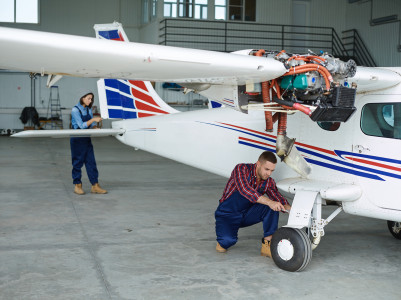
The Backbone of Aviation Safety: The Importance of Aircraft Maintenance Engineering (AME)
The importance of Aircraft Maintenance Engineering (AME) in maintaining aviation security cannot be overstated. AME professionals are responsible for aircraft maintenance, overhaul, and repair, ensuring they are in top functioning order before every flight. Without their expertise, the safety and reliability of air travel would be compromised.
The Role of AME in Aviation Safety
Aircraft Maintenance Engineers (AMEs) play a critical role in ensuring the safety of passengers, crew, and cargo by conducting meticulous inspections and performing necessary repairs. Their contributions to secure air transport include:
Regular Maintenance
To guarantee that all systems are in flawless operating order, AME personnel conduct routine maintenance inspections on aircraft. This includes checking essential components such as the engine, avionics, hydraulic and pneumatic systems, and other parts to ensure they operate correctly. Regular maintenance prevents unexpected malfunctions and ensures operational efficiency.
Thorough Inspection
AME specialists are in charge of checking each aircraft component to ensure it is safe to fly. They conduct thorough pre-flight inspections and periodic in-depth assessments to detect potential issues before they become critical. These inspections are vital to maintaining airworthiness and preventing accidents.
Troubleshooting and Repairs
When mechanical or electrical problems arise, AME personnel investigate the issue and make necessary repairs to ensure the aircraft is fit for flight. The ability to quickly diagnose and fix technical problems ensures minimal disruptions to airline schedules and passenger convenience.
Compliance with Aviation Regulations
AME personnel must abide by the regulations and directives established by aviation authorities such as the Federal Aviation Administration (FAA), the European Aviation Safety Agency (EASA), and India’s Directorate General of Civil Aviation (DGCA). Compliance with these stringent safety guidelines ensures that aircraft meet global aviation safety standards.
Why AME is Crucial for the Aviation Industry
Aircraft Maintenance Engineering is a vital part of the aviation sector, ensuring the effectiveness, dependability, and safety of aircraft operations. With the expansion of the aviation industry, the demand for highly skilled maintenance engineers continues to grow. The contributions of AMEs extend beyond safety, playing a key role in enhancing airline operations and passenger experiences.
Maintaining Safety Standards: Routine inspections and maintenance checks help ensure that aircraft systems, structures, and components are in optimal condition. By detecting and resolving potential issues early, AMEs prevent serious malfunctions and enhance aviation safety. Pre-flight inspections, daily checks, and scheduled maintenance routines all contribute to maintaining the highest safety standards.
Performing Repairs and Overhauls: To ensure maximum performance, AMEs replace worn-out or malfunctioning components with new or reconditioned ones. In some cases, entire engines require overhauls to restore them to near-new condition. AMEs are highly trained professionals capable of executing these tasks with precision and efficiency.
Supporting Airline Operations: By minimizing aircraft downtime, efficient maintenance allows airlines to operate profitably while adhering to their schedules. AMEs ensure aircraft are always ready for operation, reducing delays and cancellations due to technical problems. Their work enhances operational efficiency and contributes to the profitability of airline companies.
Enhancing Passenger Experience: Well-maintained aircraft contribute to smoother, safer, and more enjoyable flights. Reduced technical issues lead to fewer delays, improving airline punctuality and overall passenger satisfaction. A seamless flying experience fosters trust and reliability among travelers.
Expanding Career Opportunities for AMEs
As aviation technology advances, the demand for skilled maintenance engineers continues to rise, offering exciting career opportunities. Aircraft Maintenance Engineering is a challenging yet rewarding profession for those with a passion for aviation and engineering.
Aircraft Maintenance Engineers (AMEs) play an essential role in the aviation industry, ensuring the safety and efficiency of aircraft operations. Licensed AMEs are responsible for certifying aircraft and their components before they are cleared for flight. This high-responsibility profession is indispensable for maintaining global aviation standards.
AMEs can find employment in various sectors, including:
• Airlines
• Maintenance, Repair, and Overhaul (MRO) organizations
• Flying clubs
• Aerospace manufacturing companies
• Government aviation regulatory bodies
The increasing demand for skilled professionals makes Aircraft Maintenance Engineering one of the most promising career fields in aviation.
Global Recognition of AME Licenses
One of the significant advantages of pursuing a career as an Aircraft Maintenance Engineer is the international recognition of AME licenses. AMEs with certifications from globally recognized aviation authorities can find employment opportunities not only in India but also in other countries, including the USA, UK, and Gulf nations.
With aviation licenses acknowledged worldwide, AMEs have the flexibility to work in different regions, making it a highly mobile profession with diverse career prospects.
As aviation technology evolves, so do maintenance practices. Experienced AMEs stay ahead of industry trends by adopting new tools and techniques such as predictive maintenance software and advanced diagnostic tools. This continuous learning ensures career growth and enhances expertise in the field.
Networking is another valuable aspect of the profession. Aspiring AMEs can attend aviation conferences, participate in training workshops, and connect with industry professionals. These interactions open doors to internships, job opportunities, and mentorship programs that help build successful careers.
The Growing Demand for AMEs in India and Beyond
The aviation industry in India is experiencing rapid growth, making it one of the fastest-growing aviation markets globally. Several factors are driving this growth:
• Increasing disposable incomes and affordable airfare
• Enhanced regional connectivity under the UDAN scheme
• Rising air travel demand
• Expansion of airline fleets
According to the International Air Transport Association (IATA), India is expected to become the third-largest aviation market by 2025, with passenger traffic projected to surpass 520 million by 2037. The demand for skilled Aircraft Maintenance Engineers will continue to rise as the aviation industry expands.
Conclusion
Aircraft Maintenance Engineering (AME) is a crucial profession that ensures the safety, reliability, and efficiency of aviation operations. AMEs are responsible for maintaining, repairing, and certifying aircraft to meet global safety standards. With a growing demand for skilled professionals and internationally recognized licenses, AMEs enjoy exciting career opportunities across the world.
Choosing the right training institute is essential for aspiring AMEs to gain the necessary qualifications and expertise. As the aviation industry continues to expand, AMEs will remain at the forefront of ensuring air travel safety and efficiency. For those passionate about aviation and engineering, a career in Aircraft Maintenance Engineering offers stability, growth, and the opportunity to be a key player in the global aviation industry.